
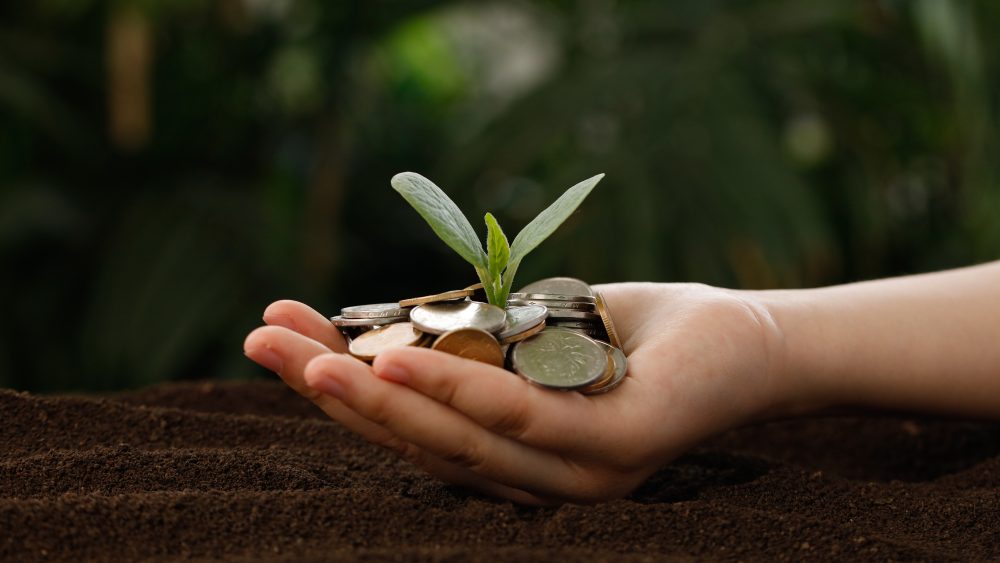
In 2025, Lund University’s Cultural Forum for Art and Science awarded so-called seed funding to projects that integrate culture into education, teaching, or research. The initiative aimed to enable staff at the University’s faculties to initiate or further develop collaboration in these areas. The four projects that received funding were given the opportunity to explore new approaches to knowledge development, pedagogy, and collaboration. The result is an impressive range of initiatives in which artistic methods are used to make complex research more accessible, engaging, and relevant—both within and beyond academia. All projects have now been completed and reported.
One of the projects, The Physics of Opera, brings together seemingly disparate worlds by combining opera with advanced physics. Through concerts, workshops, and public presentations, the project has not only sparked interest in atom physics but also created new collaborations between artistic and technical environments. It demonstrates how aesthetic forms of expression can open doors to subjects that are otherwise perceived as difficult to access.
In the project Art of Air, sound is used as a tool for understanding. By transforming research data on air pollution into sound—a process known as sonification—audiences are able to experience environmental issues in an entirely new way. A key outcome of the project is that it has shown how connections between scientific research and art can gain greater official recognition and visibility.
A third project, Clear Lines of Criminology, used comic art to explain central concepts in criminology. The result is an accessible and pedagogical publication that not only enhances student learning but also demonstrates how visual storytelling can contribute to critical reflection and deeper understanding.
The fourth project has developed a course for teachers and researchers who wish to use artistic methods in their teaching and research. The course offers a concrete model for how aesthetic perspectives can become a natural part of higher education. It also showed how artistic practice can contribute to learning, research, and sustainability work, and is now proposed as a professional development course for the entire University.
Collectively, these initiatives demonstrate how relatively small resources can serve as a powerful catalyst for innovative ways of working. The seed funding has led not only to publications, courses, and artistic works, but also to new collaborations and continued funding. Perhaps most importantly, the projects highlight the role of culture as an integral part of the University’s core activities.
At the time of writing, applications have been received for the second call for seed funding. Decisions on which applications will be awarded funding will be made on 28 May 2026.
Charlotta Sokulski Bateld
Cultural Coordinator
